From Practice to Property: A Guide to Owning or Building a Medical Clinic in 2026
Learn the key steps, financial considerations, and strategies to successfully own or build your medical clinic.
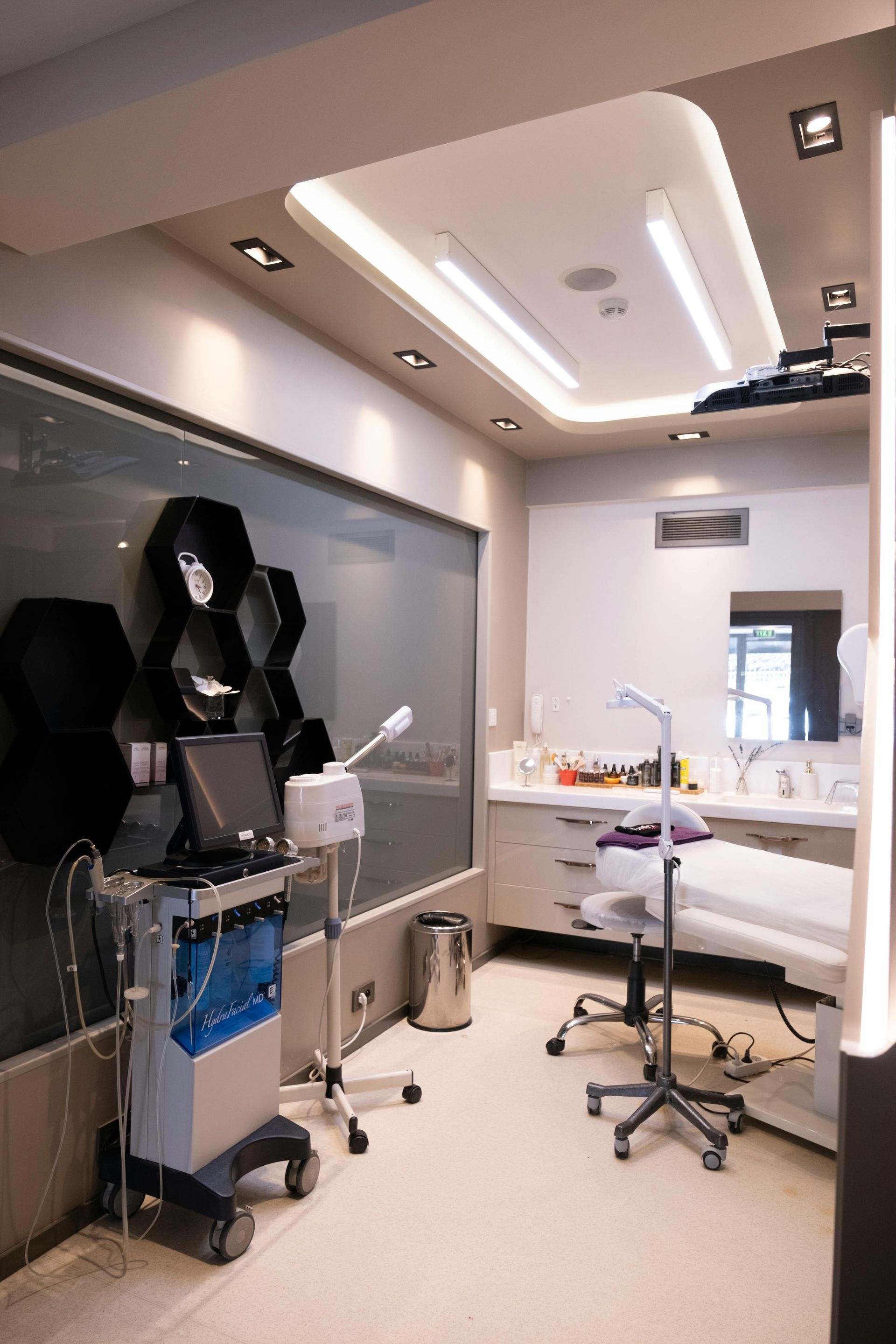
For many healthcare practitioners, moving from leasing a consulting suite to owning their own clinic is a major milestone. It’s not just about stopping the “rent drain”, it’s about controlling your patient experience, building long-term equity, and creating a valuable business asset.
However, buying or building healthcare premises is very different from purchasing residential property. Medical properties involve specialised lending, planning rules, and building requirements that practitioners need to understand before taking the leap.
Here are some key factors to consider:
1. The Finance Advantage for Medical Professionals
One of the biggest advantages doctors and medical practitioners have is how banks assess their risk profile.
Many lenders view healthcare professionals as low-risk borrowers due to stable income and strong industry demand.
As a result, medical practitioners may access:
- Higher Loan-to-Value Ratios (LVRs) compared with typical commercial borrowers. While many businesses require a 25–35% deposit, some lenders may offer up to 80–90% LVR, and in certain cases even higher for qualified professionals.
- Longer loan terms, sometimes up to 30 years, which can make repayments more comparable to commercial rent.
- Specialised lending packages designed for healthcare practitioners. This can make owning a clinic more achievable than many practitioners expect.
2. The “Be Your Own Landlord” Strategy with SMSF
Another strategy used by many established practitioners is purchasing the property through a Self-Managed Super Fund (SMSF).
Under Australian superannuation rules, an SMSF can purchase business real property and lease it back to the member’s business at market rent.
This allows practitioners to:
- Pay rent into their super fund instead of to a landlord
- Build retirement wealth through property ownership
- Maintain long-term control of their practice location
However, SMSF purchases involve strict compliance rules and typically require specialised lending structures, so professional advice is essential.
3. Zoning and the “Parking Problem”
Before signing a contract, it’s critical to check local council planning rules.
Many councils require specific car-parking ratios for medical centres, often based on the number of practitioners or consulting rooms. If the property does not meet the required parking allocation, obtaining approval can be difficult.
Other planning factors to check include:
- Zoning suitability for medical use
- Whether a planning permit or change-of-use application is required
- Potential requirements for traffic or acoustic assessments
These approvals can take several months, so it’s important to investigate early in the process.
4. Building Compliance and Medical Fit-Out
Medical clinics must comply with National Construction Code (NCC) requirements, particularly for healthcare buildings (Class 9a).
Depending on the type of practice, compliance may include:
- Accessibility standards such as step-free access and accessible bathrooms
- Fire safety requirements
- Infection control considerations
- Specialised infrastructure for certain specialties
For example:
- Dentists require specialised plumbing and suction systems
- Radiology clinics may require lead shielding
- Imaging equipment may require reinforced floors
- Working with architects or designers who specialise in medical fit-outs can save significant time and cost.
5. Buy vs Build: Which Option Works Best?
Buying an Existing Property
Best suited for practitioners who want to open quickly.
Advantages:
- Faster setup (often 3–6 months)
- Lower development risk
- Potential existing approvals
- Building or Major Fit-Out
- Often better for specialised practices.
Advantages:
- Custom layout designed for workflow
- Infrastructure tailored to equipment
- Future-proofed for expansion
- The right option depends on practice size, specialty, and long-term growth plans.
Final Checklist Before You Buy
Before committing to a property, make sure you:
✔ Obtain pre-approval from a lender experienced in healthcare finance
✔ Confirm zoning and council parking requirements
✔ Verify building classification and compliance
✔ Consult a medical fit-out specialist or architect
✔ Seek tax and legal advice if considering an SMSF purchase
Owning your clinic can be one of the most powerful wealth-building moves a healthcare professional can make — but the right planning and advice are critical.